
2026.06.04
Starite (Sing Mas) Connects Taiwan and Vietnam Through Circular Design
Innovation often begins with a simple challenge:
Can a material originally destined for disposal become something people genuinely want to use?
That question became the foundation of the 2026 Recycled Acrylic Design Contest, a collaborative initiative between Starite (by Sing Mas) and Da Nang University of Architecture.
Rather than designing around new materials, participating students were challenged to work with recycled acrylic and production surplus materials—resources that are often overlooked despite their remaining value and potential.
The results demonstrated far more than creative thinking.
Students explored how circular materials could be transformed into functional products, interior applications, and everyday objects that balance aesthetics, usability, and environmental responsibility.
To bring a broader perspective to the evaluation process, Starite also welcomed Professor Christopher Meek, FAIA, Director of the Integrated Design Lab at the University of Washington, as an international guest judge alongside academic and industry representatives from Taiwan and Vietnam.
This year's winning projects included:
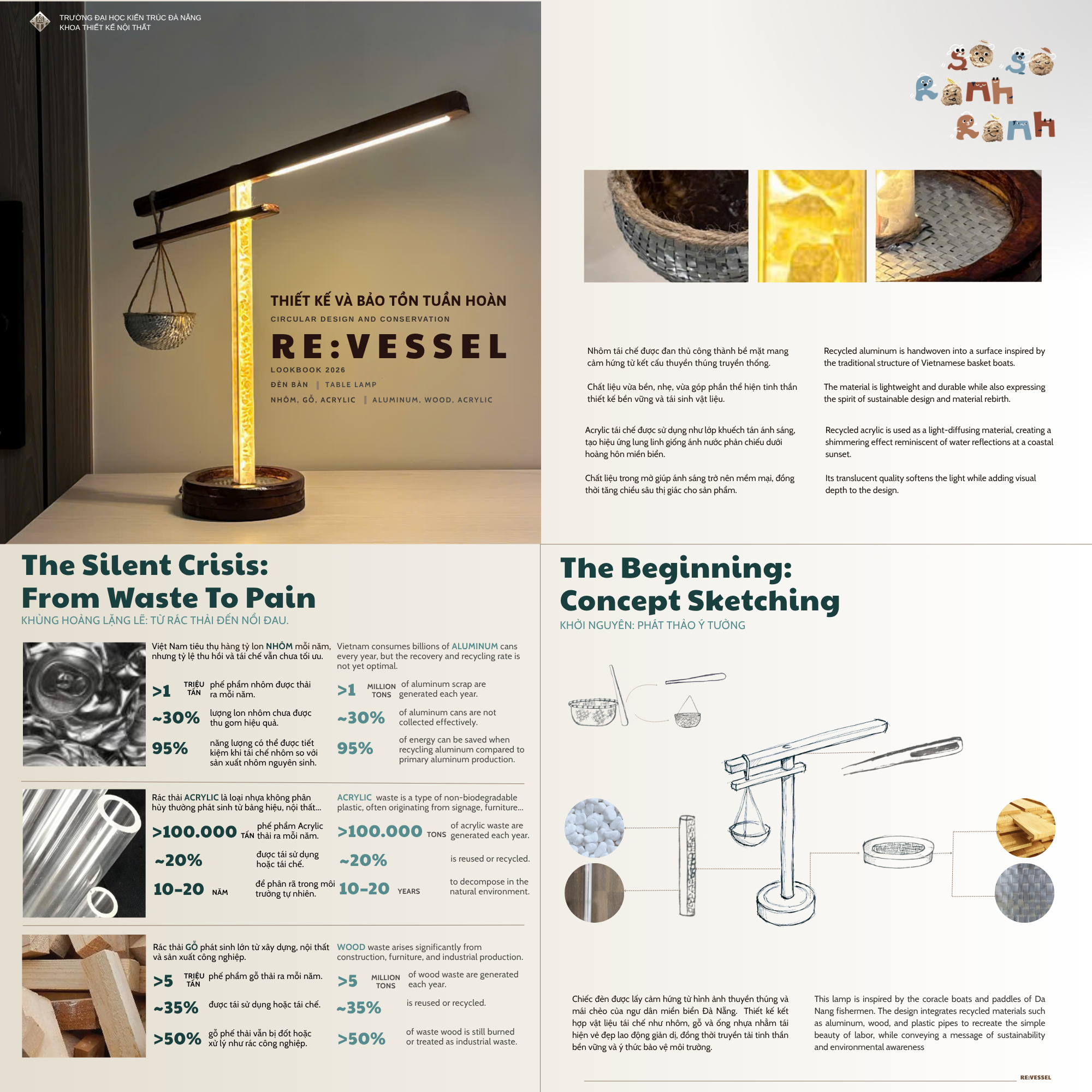
1st Prize: Re Vessel
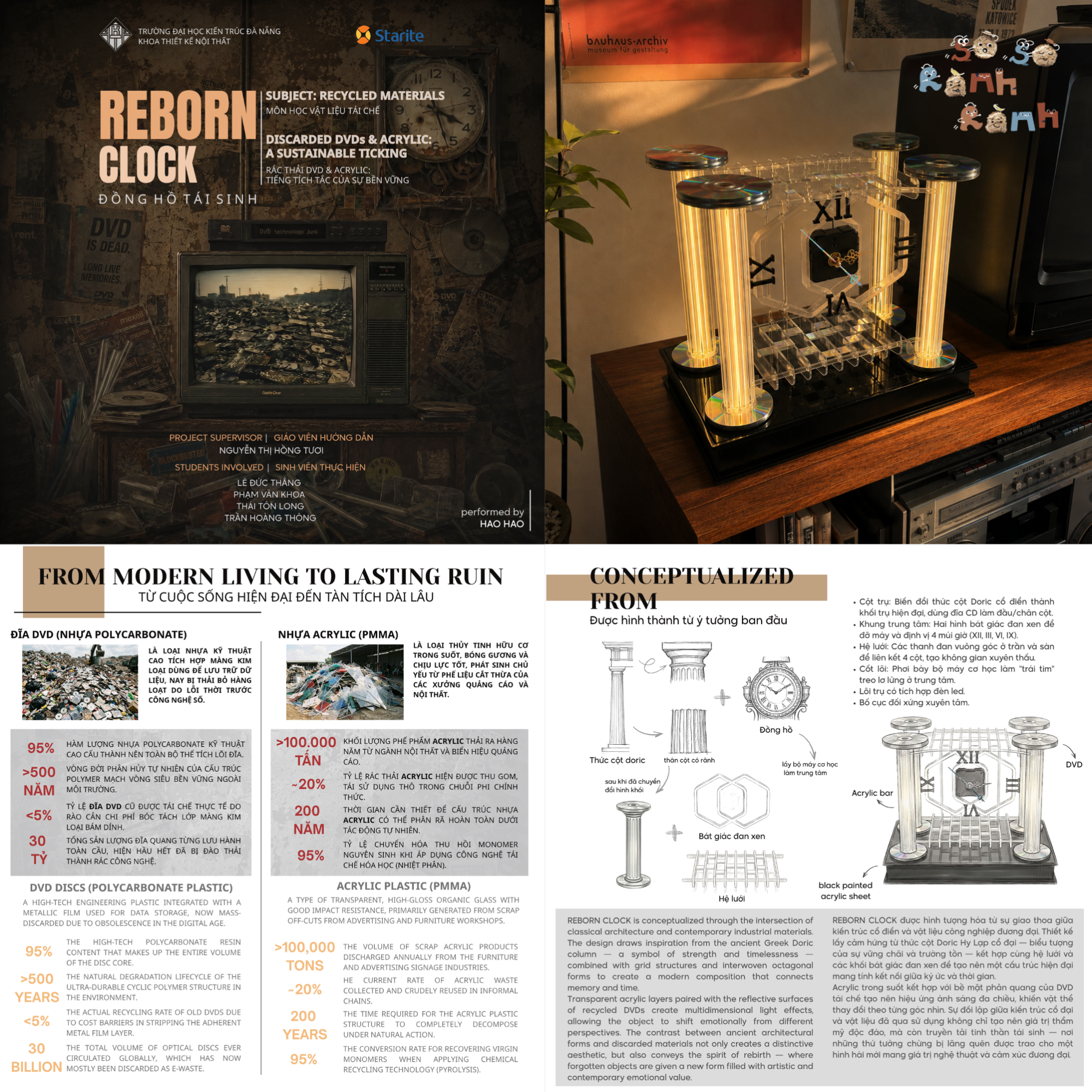
2nd Prize: Reborn Clock
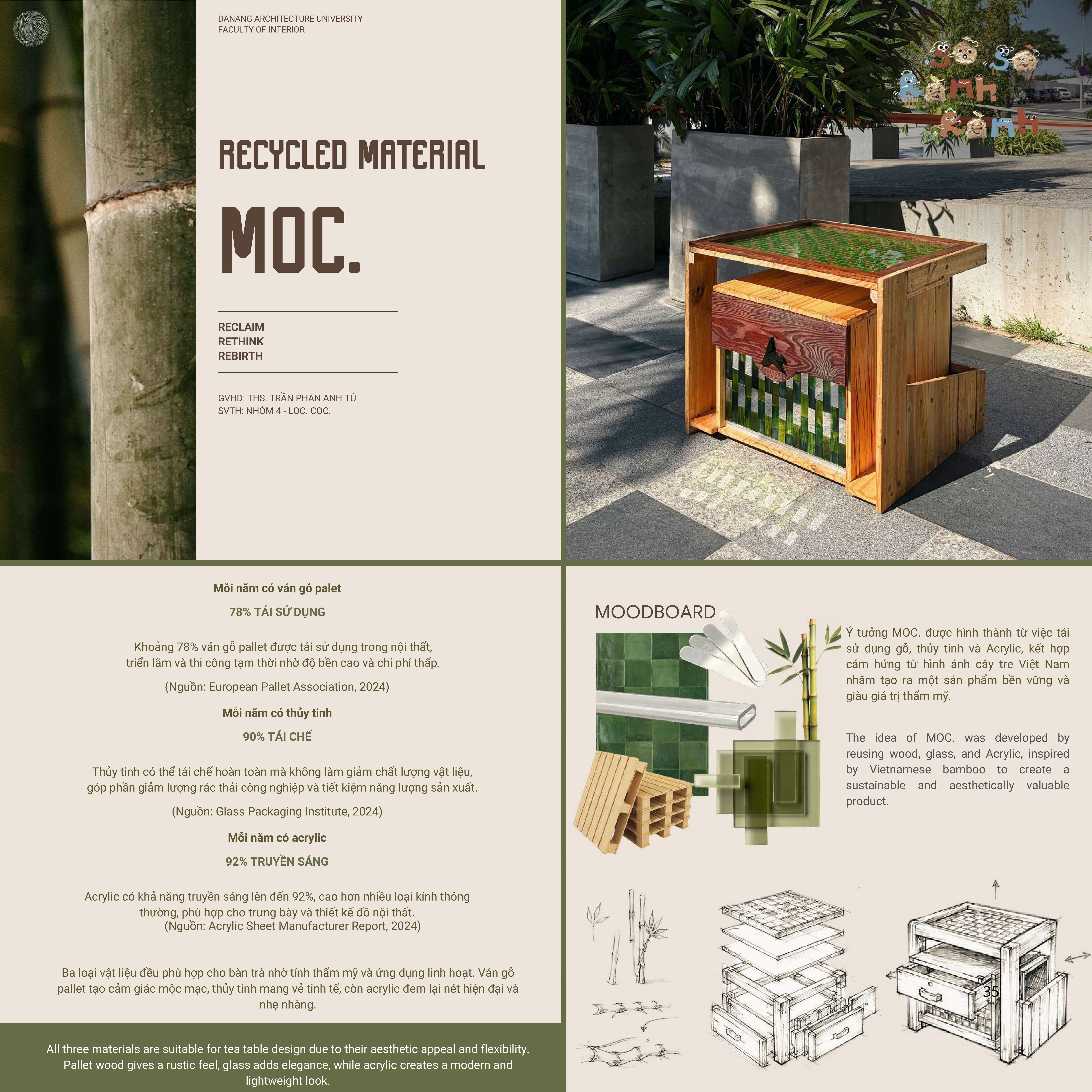
3rd Prize: Moc
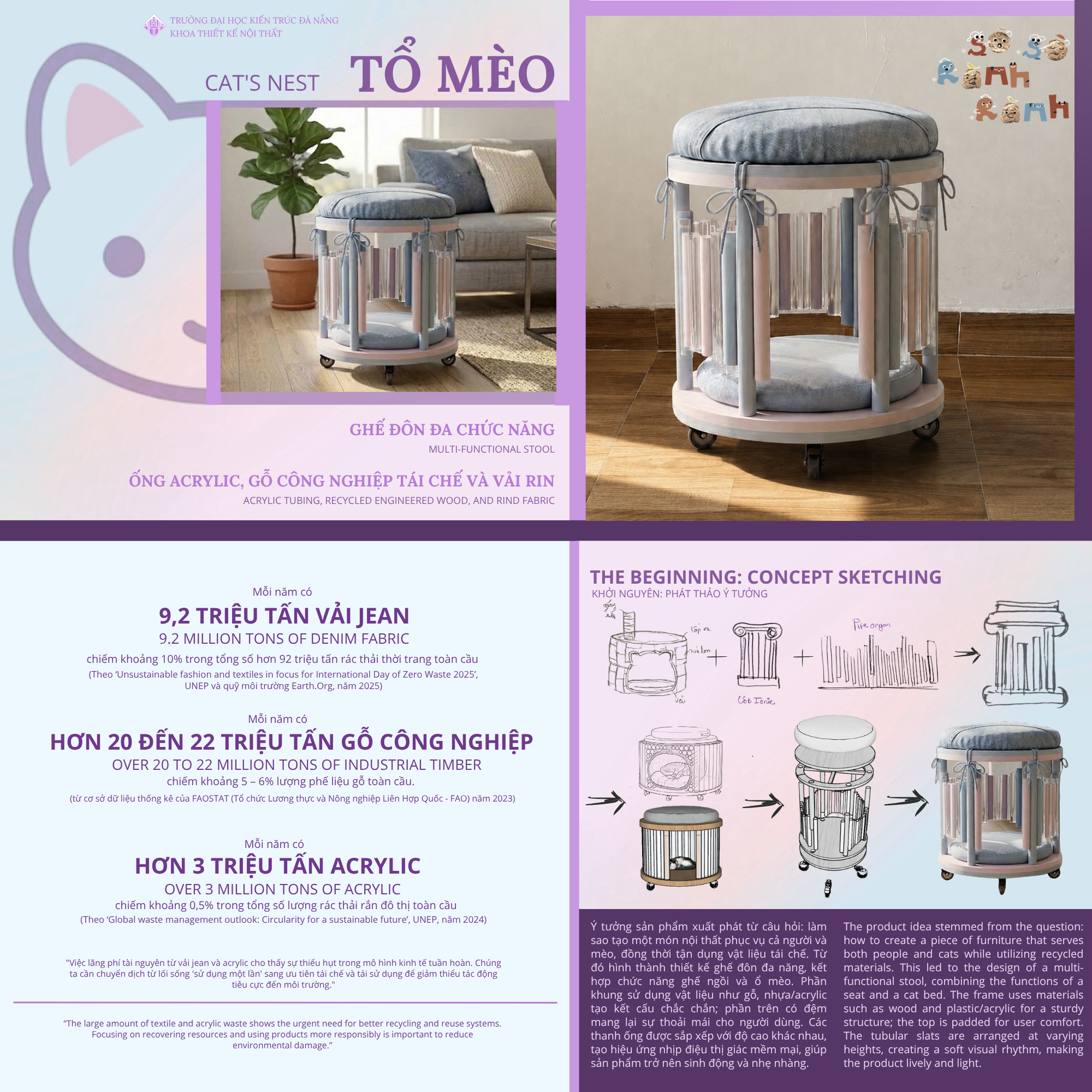
3rd Prize: Cat's Nest
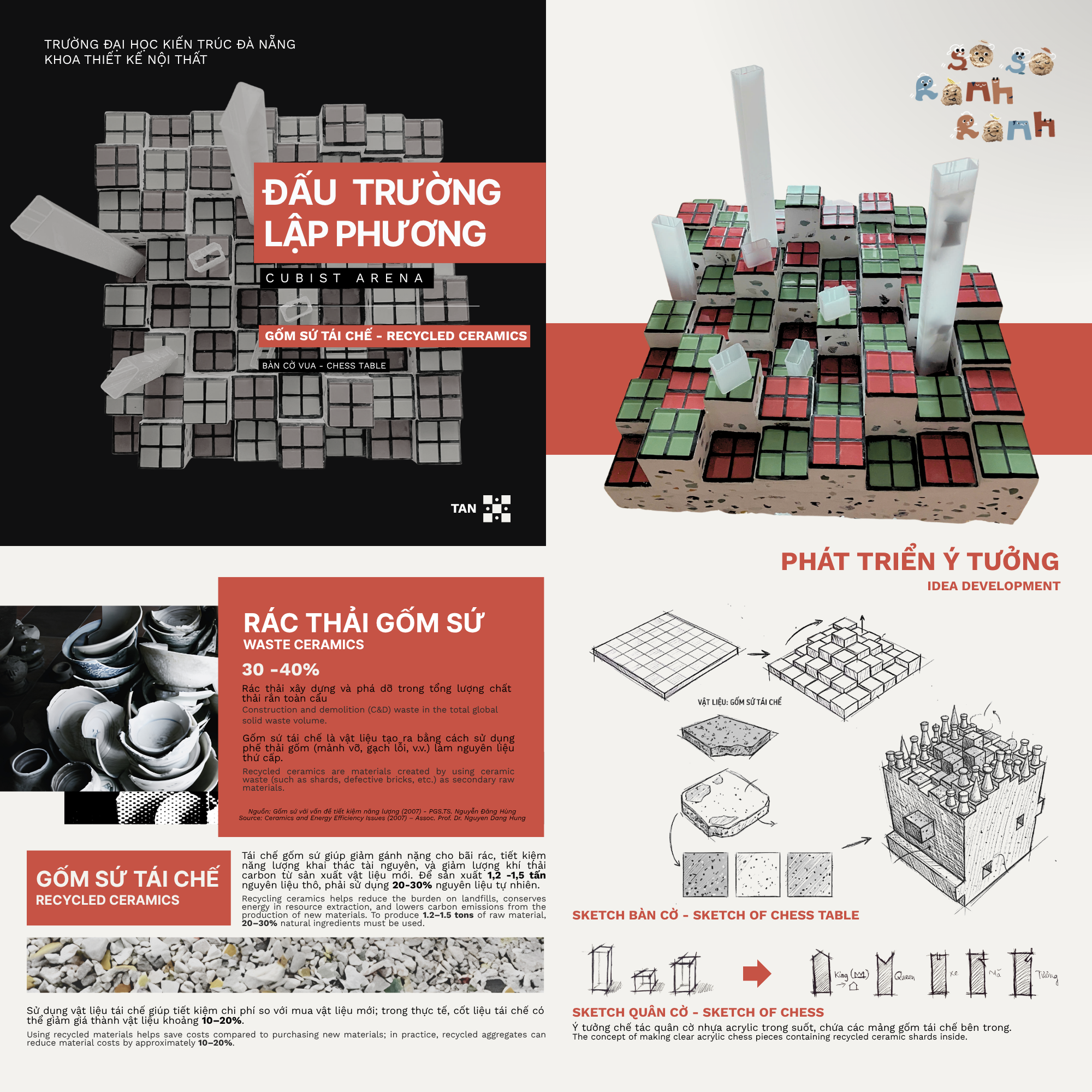
Honorable Prize: Cubist Arena
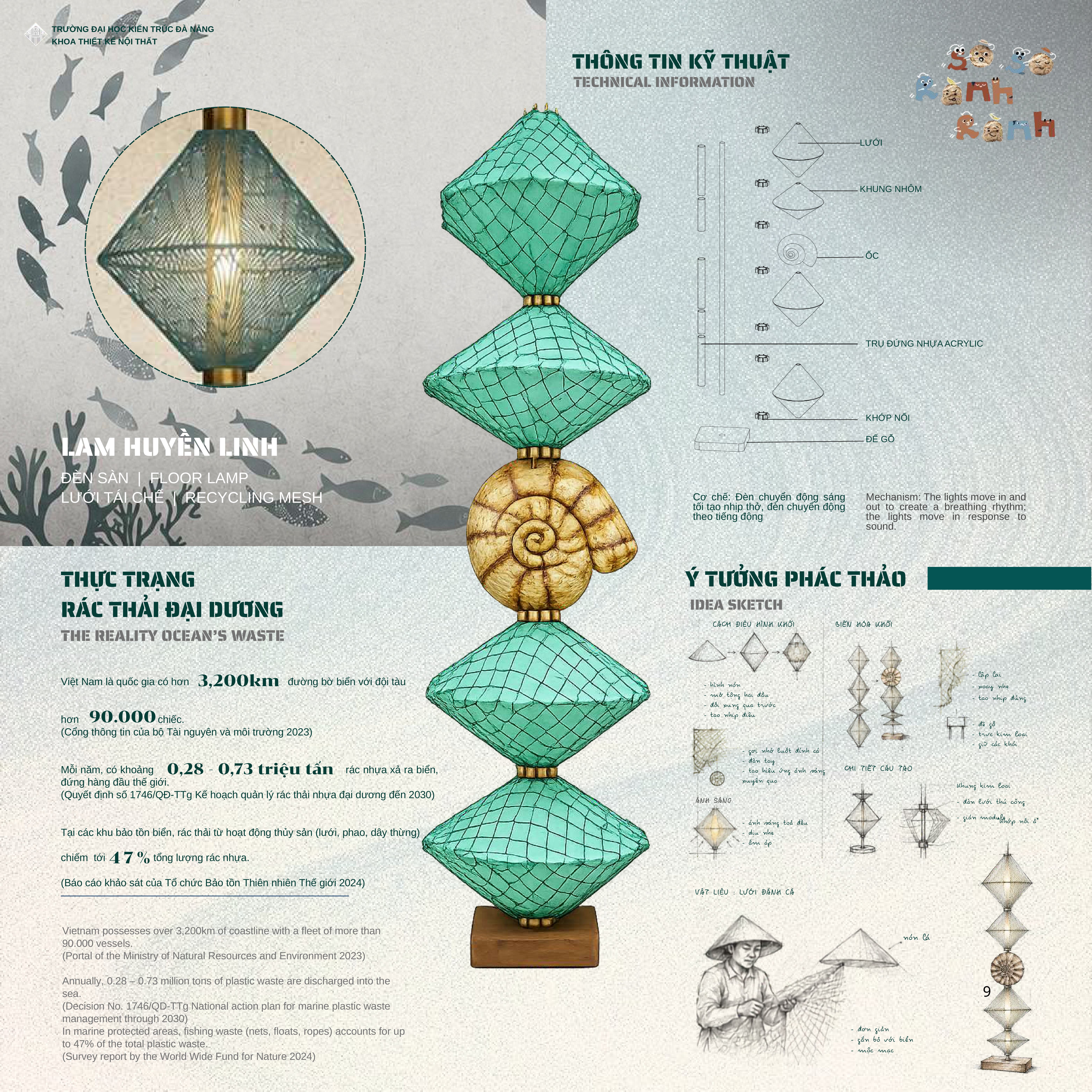
Audience Choice Award – Linh Hoang Lam
While the competition recognized outstanding projects, the larger objective was never simply selecting winners.
The initiative was designed to encourage students to think about materials differently—to understand that sustainability is not only about recycling, but also about design decisions, resource efficiency, manufacturing realities, and long-term product value.
For Starite, these collaborations serve as an important bridge between education and industry.
The challenges facing future designers, manufacturers, and brands cannot be solved by any single organization alone. They require collaboration across disciplines, cultures, and generations.
As demand for circular materials and responsible manufacturing continues to grow, Starite remains committed to supporting educational partnerships, material innovation, and industry engagement that help transform ideas into practical solutions.
Because the future of sustainability is not built from new resources alone—it is built from discovering new value in what already exists.
For collaboration opportunities and future educational initiatives:
📩 [email protected]
Can a material originally destined for disposal become something people genuinely want to use?
That question became the foundation of the 2026 Recycled Acrylic Design Contest, a collaborative initiative between Starite (by Sing Mas) and Da Nang University of Architecture.
Rather than designing around new materials, participating students were challenged to work with recycled acrylic and production surplus materials—resources that are often overlooked despite their remaining value and potential.
The results demonstrated far more than creative thinking.
Students explored how circular materials could be transformed into functional products, interior applications, and everyday objects that balance aesthetics, usability, and environmental responsibility.
To bring a broader perspective to the evaluation process, Starite also welcomed Professor Christopher Meek, FAIA, Director of the Integrated Design Lab at the University of Washington, as an international guest judge alongside academic and industry representatives from Taiwan and Vietnam.
This year's winning projects included:
1st Prize: Re Vessel
2nd Prize: Reborn Clock
3rd Prize: Moc
3rd Prize: Cat's Nest
Honorable Prize: Cubist Arena
Audience Choice Award – Linh Hoang Lam
While the competition recognized outstanding projects, the larger objective was never simply selecting winners.
The initiative was designed to encourage students to think about materials differently—to understand that sustainability is not only about recycling, but also about design decisions, resource efficiency, manufacturing realities, and long-term product value.
For Starite, these collaborations serve as an important bridge between education and industry.
The challenges facing future designers, manufacturers, and brands cannot be solved by any single organization alone. They require collaboration across disciplines, cultures, and generations.
As demand for circular materials and responsible manufacturing continues to grow, Starite remains committed to supporting educational partnerships, material innovation, and industry engagement that help transform ideas into practical solutions.
Because the future of sustainability is not built from new resources alone—it is built from discovering new value in what already exists.
For collaboration opportunities and future educational initiatives:
📩 [email protected]